 Scaling a food and beverage business is exciting until production becomes overwhelming. You might have a growing demand, a loyal customer base and a great brand identity, but limited capacity can hold everything back. A co-packing partnership can help you with this issue. Instead of building everything in-house, you work with a partner that handles production and packaging at scale.
What Is a Co-Packing Company?
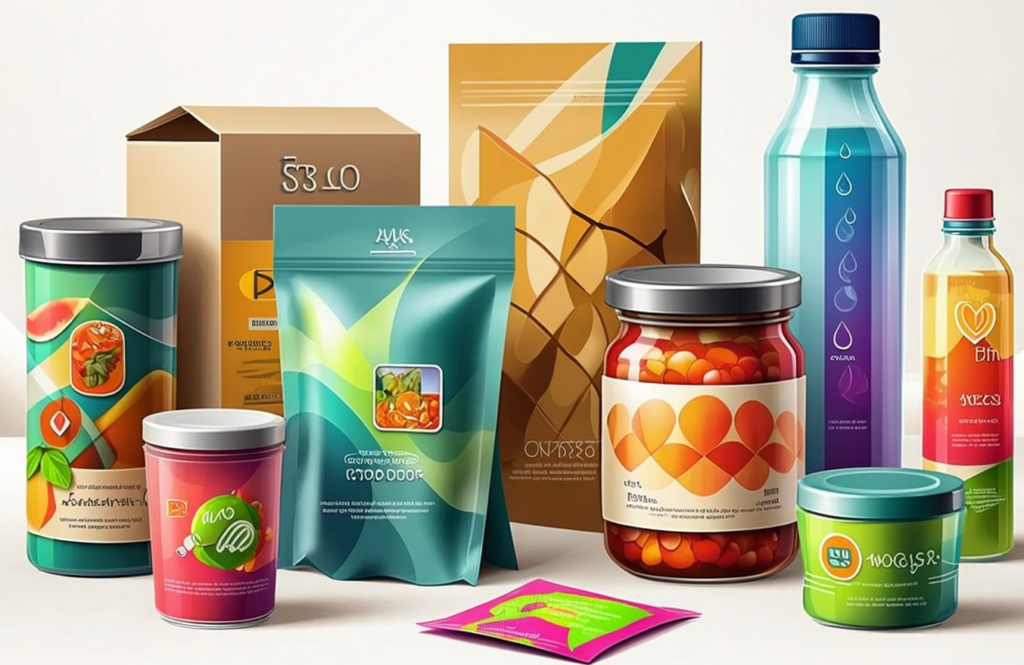
A co-packing company, sometimes called a contract packager, is a business that produces, packages, and labels products on behalf of other brands. It may also act as a co-manufacturer, handling everything from processing and blending to final packaging.
This setup is becoming increasingly common across industries. The global contract packaging market is valued at $86.16 billion in 2026 and is expected to reach $127.28 billion by 2031, growing at a compound annual growth rate (CAGR) of 8.12% over the period.
How Do Co-Packing Partnerships Help Businesses?
A co-packing partnership gives you the flexibility to grow without taking on the full production burden. If you have a coffee business, for example, you don’t have to invest heavily in facilities and equipment. You can rely on your co-packer’s established system that’s already built to scale.
For example, coffee brands moving from small-batch roasting to larger retail can increase production without spending on machinery, warehousing, or hiring large teams. This means you can direct your money toward other investments, such as marketing and brand growth.
Co-packing partnerships also help you stay agile as demand changes. If you’re handling seasonal spikes, launching new products or expanding into formats like coffee pods, cold brew packs, or private label brands, co-packers can help you adjust quickly.
How Can You Start a Co-Packing Partnership?
Starting a co-packing partnership takes more than finding a company that can package your product. You’re choosing a long-term production partner that will affect your quality, timelines and customer experience. Here’s how to get started:
- Know your product and production goals: It’s important to understand exactly what your product needs. Think about flavor, ingredients, packaging style, and where you plan to sell it.
- Research and shortlist potential partners: Look for partners with experience in your product category and the certifications required for your market.
- Request samples: Before committing, request samples and review them carefully. Check fill levels, packaging strength, and labeling accuracy.
- Understand pricing: Ask how costs are calculated, what the minimum order quantities are, and whether setup, cleanup, or packaging changes create extra fees.
- Build Trust Before You Build Volume: Your co-packer will likely handle your formulas, branding, and customer expectations, so trust is vital. Your contract should clearly define responsibilities, quality testing, delivery timelines, and protection for your intellectual property.
How Pod Pack Supports Growing Coffee Brands
When choosing a coffee co-packing partnership, you want to work with companies that combine production experience with flexibility. Pod Pack is one example that many growing brands use when they need support to scale up. Established in 1996, it specializes in private label and co-packing solutions for single-serve coffee and tea products.
Its work covers a wide range of formats, including Keurig-compatible cups, soft pods, espresso pods, cold brew packs, and filter packs, as well as coffee roasting and in-room coffee services. That means you can also work with the company as a coffee manufacturing partner. Pod Pack works with businesses across retail, hospitality, offices, restaurants, and e-commerce, which means it understands different production needs depending on where your product will be sold.
Pod Pack is widely recognized for its focus on quality, safety and flexibility. It holds SQF Level 2, Certified Organic, kosher, Rainforest Alliance, BPI Compostable, and Quality Assurance International certifications, supported by a dedicated quality assurance team. Additionally, the company offers low minimum orders, customization, and responsive service. This makes it easier for smaller businesses to scale without losing control over product quality.
Frequently Asked Questions
The following are some commonly asked questions about co-packing partnerships.
Do you need to trademark your brand before working with a co-packer?
It’s not always required, but it’s recommended to trademark your brand. Trademark protection helps secure your brand identity.
How long does it typically take to launch with a co-packer?
Timelines vary depending on product complexity and approvals. A simple product may take a few weeks, but more customized offerings can take a few months.
Can co-packers help with product innovation?
Many can help with product innovation. Experienced partners often provide insights into flavor trends, packaging innovations, and new formats that align with market demands.
Brewing Growth Without Growing Pains
Scaling your business is a lot easier with a trusted co-packer by your side. A well-structured co-packing partnership gives you access to the tools, expertise, and infrastructure needed to grow efficiently.
For other ideas about scaling your business, see this list of blogs here.