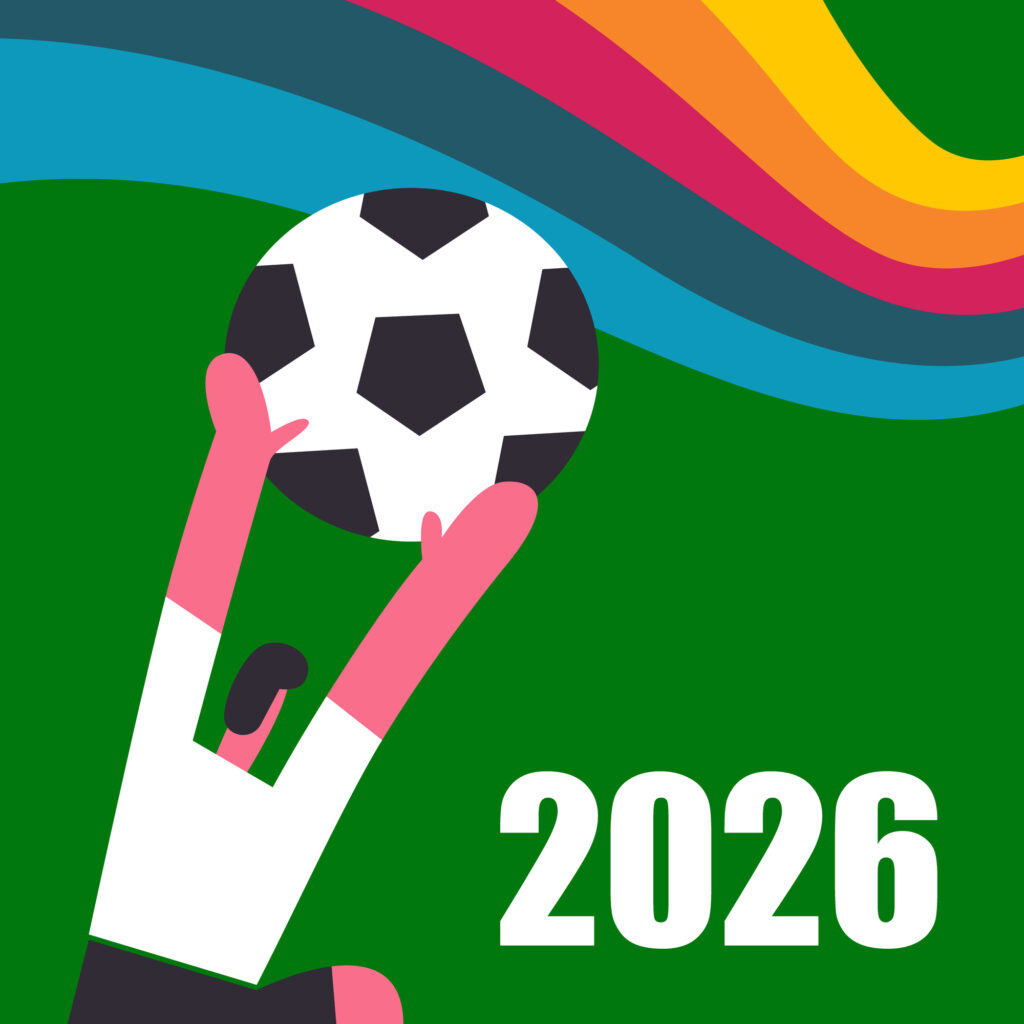
 The World Cup, an event held every 4 years, begins today in North America—Canada, Mexico, and the U.S. There are 11 host cities in U.S. It’s estimated that the World Cup could mean $17 billion in additional GDP for the U.S. How much revenue will accrue to small businesses in the host cities and across the country? Here’s what you can expect and how to prepare for future sporting events near you.
What to expect and how to prepare:
Key industries impacted
In host cities, industries such as hospitality, media, retail, security, tourism, transportation, stand to gain significantly from attendees to World Cup events. But bars throughout the country that televise the matches will likely see increased patronage. Many fans like the camaraderie of watching in the company of others. Yahoo! even lists the best places to watch the World Cup in L.A. For fans that use bars as “secondary stadiums,” this could mean increased payments for Uber and Lyft drivers who take fans home after a match.
Increased revenue
Depending on location, revenues can increase a little or a lot. The Statewide Hispanic Chamber of Commerce of New Jersey projected that it’s region alone could see more than $3 billion in economic activity. The 7 games to be played in Miami are expected to generate $1.3 billion. For Philadelphia, the projection is $770 million, which would be “the largest financial boost from a single event” in the city’s history.
Lessons for mega sports events
The World Cup is one mega sports event, but there are others, including the Super Bowl (February 14, 2027, at SoFi Stadium in Inglewood, CA) and the Olympics (July 15-July 30, 2028, in Los Angeles). What can small businesses do to capitalize on national and international sports events taking place in their area?
- Determine your target customer. A tavern or car service, for example, may look to consumers, but printers, caterers, security staffing, and equipment rentals may be B2B. What can your business offer before, during, and after an event?
- Create event-related promotions. If you’re targeting consumers, these promotions can be game-day events, extended business hours, or special discounts. But beware of using trademarks without permission, such as event names, logos, mascots, or phrases; don’t invite a lawsuit for trademark violation. And don’t claim to be an “official sponsor” unless you are one.
- Improve your online presence. If you want consumers searching online to find you—especially visitors coming to your area for an event—be sure to use keywords and hashtags that will attract attention.
- Capture customer information. The event is only for a day or so, but customer information can be useful for years. Use QR code promotions, contest entries, and email signups to get valuable customer information.
You don’t need to wait for a mega sports event to deploy the same approach to any local sports event. For example, you can sponsor a local sports team. The visibility for your company may lead to new business. But even if it doesn’t, it can be fun and is really appreciated by the teams.
Final thought
FIFA projects that about 6.5 million people will attend tournaments in the 104 matches in this year’s World Cup, of whom 40% are international visitors. Between 5 billion and 6 billion people worldwide will watch on television or streaming. All of this represents potential for your business. If it’s too late for you to capitalize on this mega sports event, get ready for future events.