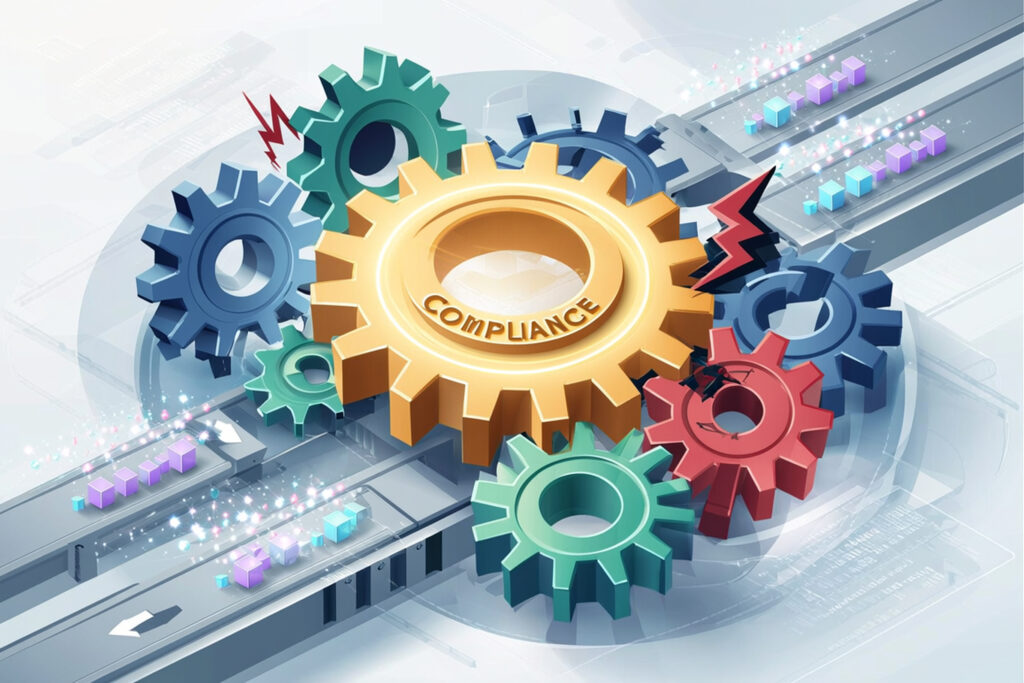
 “We’ll deal with it when it becomes a problem” is a phrase that gets thrown around in business circles a lot. It sounds practical. But when “it” is compliance, waiting for a problem is usually where the real trouble starts. And it’s rarely cheap.
Compliance means operating within the boundaries set by laws, regulations, and internal standards. Simple, right? Not always. That’s because these rules come from all over. The SEC, FTC, OSHA, and FDA for certain industries in the U.S., and frameworks like GDPR and ISO standards for data, safety, quality, and ethics, globally. For the most part, small businesses are not exempt from these rules.
All of these form what’s known as the regulatory environment. It’s the rulebook every business operates under and ignoring it often leads to consequences that are far harder to manage later.
This article breaks down the reasons compliance isn’t just a legal checkbox, but a vital part of modern business operations.
Ensures Legal Protection
The most obvious reason to stay compliant is to avoid costly consequences, including fines, penalties, and lawsuits. When companies ignore regulatory compliance, they don’t just bend the rules. They expose themselves to serious outcomes, including in some cases, criminal liability.
A clear example is the Bard PowerPort lawsuit. The case involves the implantable Bard PowerPort systems used in medical treatments like chemotherapy and long-term IV therapy. On paper, these devices were meant to help patients manage ongoing care. In reality, many reported serious complications and lawsuits followed.
The large companies involved, Bard Access Systems and its parent company Becton, Dickinson and Company, are accused of failing to properly warn users about the risks. That’s a compliance failure, plain and simple, and a lesson for small businesses.
And the financial impact? Legal experts at TorHoerman Law estimate that settlements could hit, and maybe exceed, $250,000 per case. Multiply that across thousands of claims, and it’s easy to see why compliance matters.
But lawsuits are just one part of the story. Regulatory fines, such as those from OSHA, DOL, and the IRS, can hit small businesses just as hard.
If the affected companies decide to challenge those penalties in court, the costs climb even higher. Legal fees. Delays. It adds up very quickly. So yes, compliance protects businesses from legal trouble that can quietly derail everything.
Builds Trust and Reputation
Compliance builds trust. Customers today are more aware. They care about their data, and they want to know how it is handled. They care about ethical practices. They care about ESG. They notice when a company cuts corners.
A business that follows compliance standards sends a clear message. “We take this seriously.” And that message sticks.
In fact, a 2025 survey found that 80% of consumers say they would stop doing business with any company they have concerns about regarding data privacy. It means that for businesses, data privacy regulations compliance isn’t optional anymore.
Another survey, by PwC this time, found that customers will pay up to 9.7% more for products that are sustainably sourced or produced. Clearly, ESG compliance makes customers trust a brand enough to want to pay more.
More concerning compliance for businesses can be found in this list of blogs here.