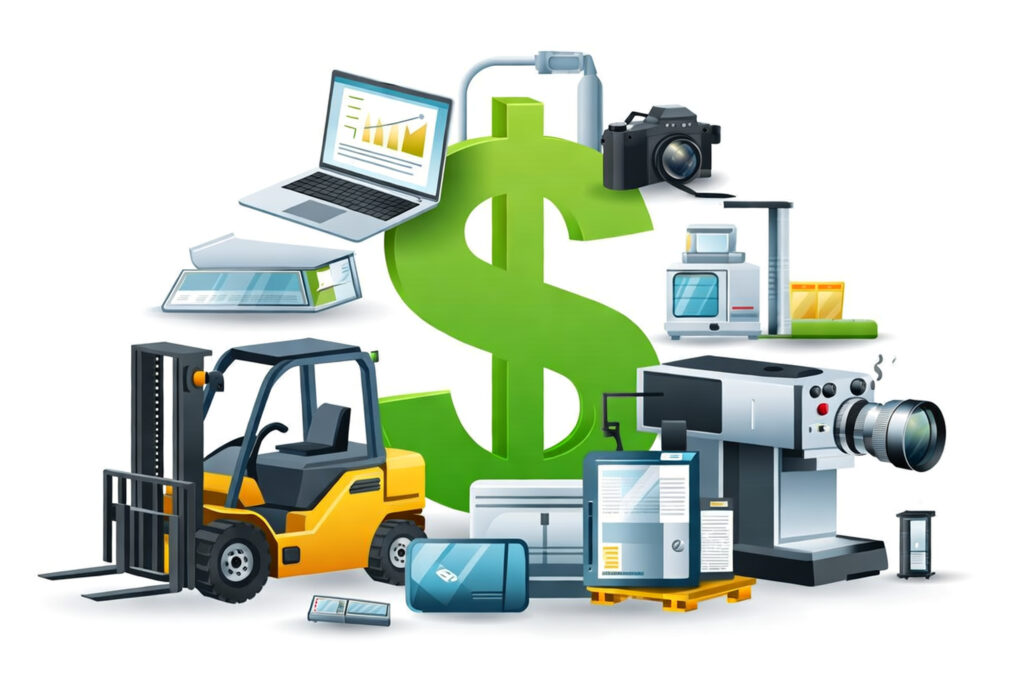
 For housing, should you buy or rent your home if you need a place to live? If you’re leaving your home, should you sell it or rent out? The same questions can be asked about equipment. Much has been made in the media about the great tax breaks for buying equipment and machinery, and this is true. These tax write-offs reduce the upfront cost of purchasing items needed to work efficiently and conduct business. But buying equipment isn’t the only option; leasing makes sense in certain situations. And as a manufacturer or dealer, leasing something you can do instead of selling products. As a business owner, leasing is an alternative to buying the equipment, tools, and other items you need.
From the lessor perspective
Leasing out equipment rather than selling it outright can be a way to create a regular stream of income. Or businesses that own equipment which isn’t being used all the time can monetize their under-used items by leasing them to other businesses. There are different ways to put your equipment in the hands of other businesses:
- Peer-to-peer equipment sharing. A business can rent out under-utilized equipment for a short time. For example, photographers can effectively “share” equipment by renting for the day or the length of a shoot. This is something that can be very practical in the construction business where contractors only need the use of a particular piece of equipment for a very limited time.
- Rental model. You can rent out equipment for a set period. Typically, this is for 6 months or less.
- Traditional leasing model. This is a short-term or long-term rental arrangement, typically, 3 to 5 years (also referred to as an operating lease).
- Equipment-as-a-service (EaaS) model. Instead of having unfettered use of equipment for a set period (the term of the lease), you contract for an hourly usage under a monthly subscription. Usually, EaaS includes maintenance and upgrade options. According to the Equipment Leasing & Financing Foundation, “Equipment-as-a-Service (EaaS) business models (also referred to as usage-based equipment financing) have gained significant traction in recent years, driven by evolving customer preferences, technological advancements, and the broader shift towards servitization and subscription-based models.”
Other considerations:
Be sure to think about the ramifications of how you lease out your equipment:
- Taxes. The money you collect on your rental/lease/EaaS arrangements is ordinary business income.
- Sales taxes. Check if your state treats equipment rentals as a taxable transaction.
- Insurance and liability. If you want to let other businesses lease your equipment, be sure your insurance permits third-party use. You may need additional insurance, such as an equipment rental liability rider. If you use a leasing platform, it may offer additional liability coverage.
- Paperwork. Be sure to put the terms of any arrangement in writing. LawDepot enables you to create a document for various equipment rentals (e.g., power tools; event equipment; electronics).
Some platforms to market your equipment:
- RentMyEquipment.com The range of rental items is larger than the platforms that follow.
- SharedEquipment.com This is exclusively for heavy equipment. The website says it’s about to launch.
- UpaUSA This is primarily for construction and farming equipment.
From the lessee perspective
There are many valid business reasons why a company would want to lease rather than buy equipment:
- Upfront cost. Leasing generally requires little or no upfront cash. This means you can obtain the items you need without depleting capital. Buy equipment leases generally require credit checks since leases are a type of financing arrangement.
- Predictable ongoing expenses. Monthly lease costs are fixed. And some leases include maintenance.
- Changing technology. Leased equipment can continually be replaced with items that incorporate newer technology. For example, medical equipment is continually changing, so a lease only locks into old equipment for a limited period. As AI is incorporated into equipment and business operations, the need to stay on top of developments and use the latest options is critical.
Tax treatment. Lease payments are fully deductible; there are no dollar limits. Note: Special rules apply to vehicles (see Chapter 5 of IRS Publication 946).
Balance sheet. Under accounting standards, equipment leases of one year or longer must be listed on a balance sheet as a right-of-use (ROU) asset.
Final thought
About a quarter (26%) of equipment and software acquisitions by U.S. businesses is done through leasing. Is this something that makes sense for your business?